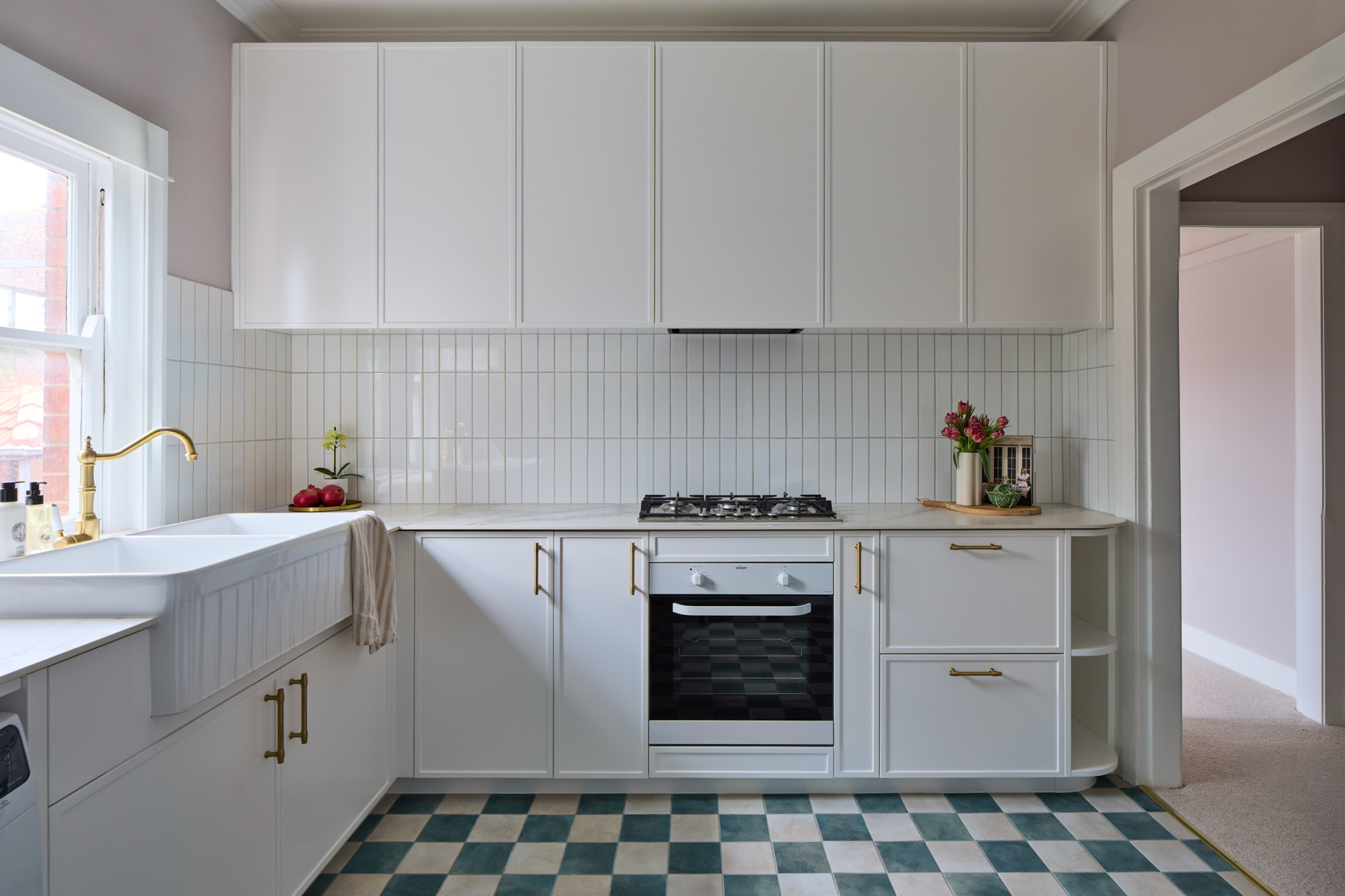

So, you’ve got a renovation on the horizon. Maybe it’s a bathroom that’s been begging for an update since about 2003, or a kitchen layout that just doesn’t work no matter how you try to make it work. Maybe it’s a whole-home project and you’re staring down a rabbit hole of tiles, benchtops, and builder quotes that all somehow feel completely overwhelming at once.
The question we hear all the time is: do I actually need an interior designer for this? And the honest answer is, it depends. But more often than not, the answer is yes, and usually for reasons people don’t expect.
It’s not about the aesthetics (though we love a beautiful space as much as anyone). It’s about avoiding the kinds of costly, time-consuming mistakes that happen when you’re juggling materials, trades, layouts, and timelines without a clear plan or a professional in your corner.
What Does an Interior Designer Actually Do in a Renovation?
In a renovation context, an interior designer works at the intersection of function, aesthetics, and logistics. They’re involved before a single wall comes down. They help with:
- Space planning: making sure your new layout actually works for how you live
- Material and finish selection: tiles, flooring, joinery finishes, benchtops, fixtures, tapware
- Specification documents: giving your builder and trades exactly what they need to quote and execute
- Supplier and trade coordination: managing the flow of deliveries, installations, and decisions
- Budget management: keeping your spend on track and flagging where to splurge versus save
- The detail work: everything from door handle heights to grout colour that makes a space feel considered rather than cobbled together
At EB Studio, we handle all of this under one roof. Our full-service model means Emma’s team manages every decision from the initial concept through to installation day, so you’re not left translating between your builder, your tiler, and the cabinetmaker.
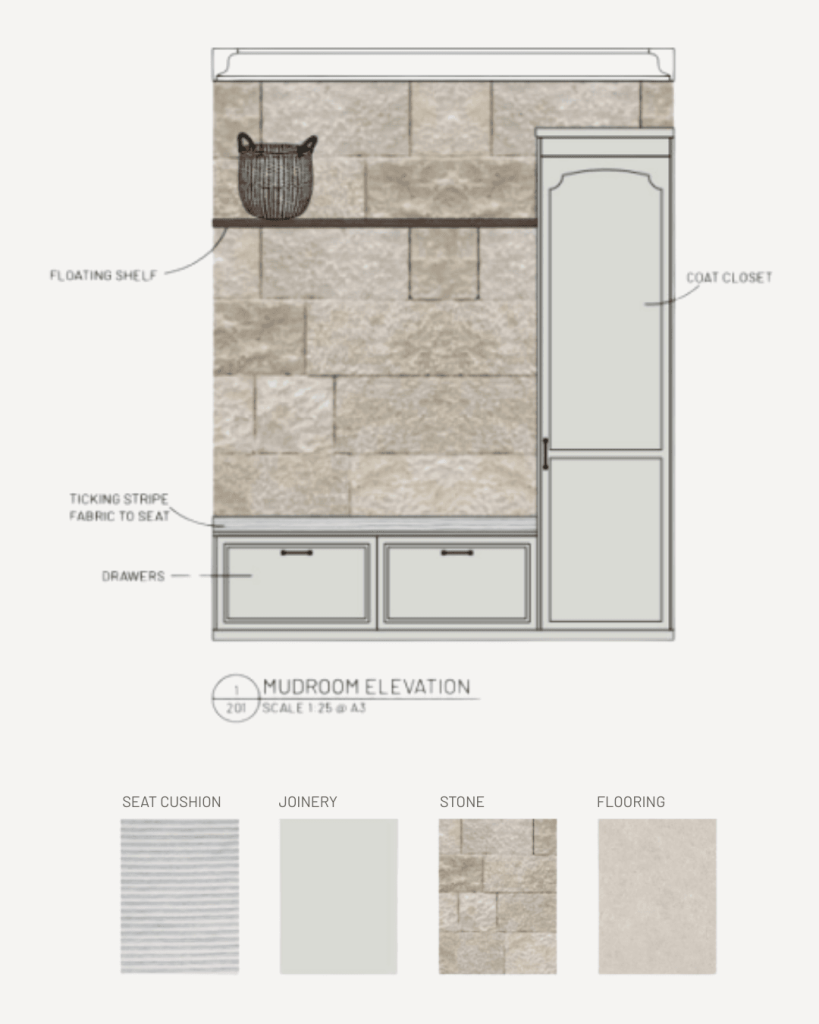
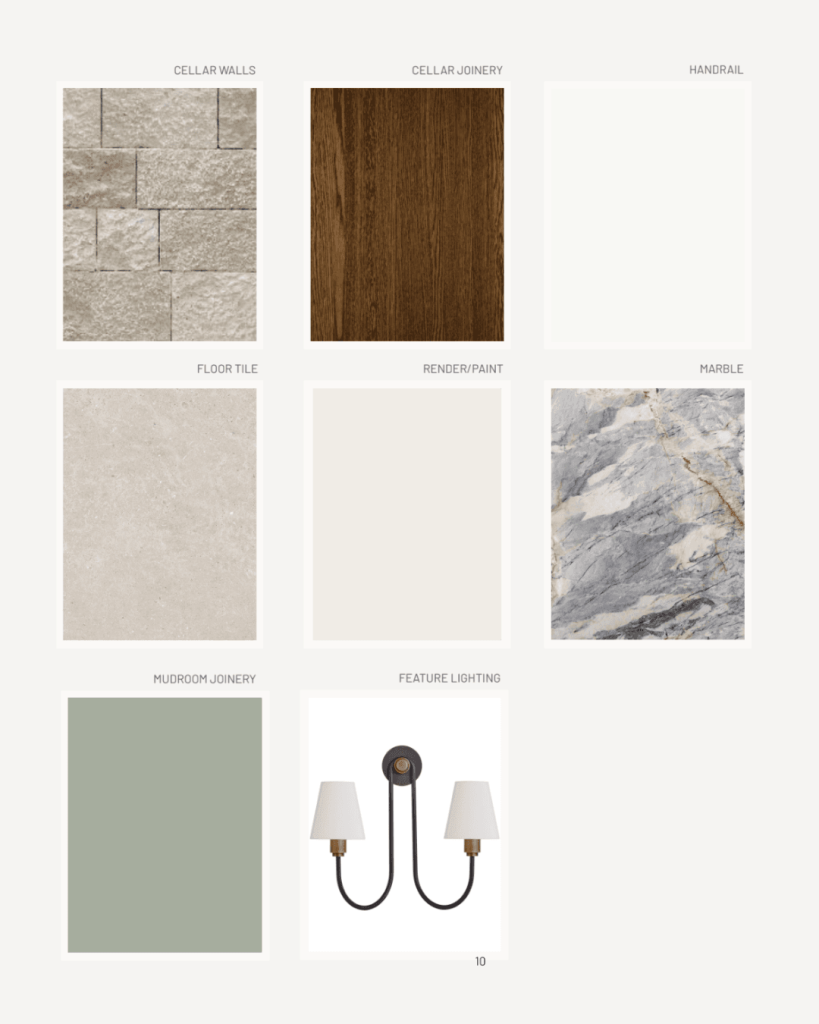
Designer Tip: A good brief to your builder can save thousands. One of the most valuable things a designer does early in a renovation is create a clear specification document that prevents costly scope changes mid-build.
The Signs You Probably Need an Interior Designer
You’re changing the layout
Layout mistakes are the most expensive renovation errors to fix after the fact. Moving a wall, relocating a bathroom, reconfiguring a kitchen – these decisions have a ripple effect through plumbing, structural elements, lighting positions, and everything downstream.
We’ve seen beautiful renovations that feel wrong because a designer wasn’t involved at the layout stage. A designer looks at a floor plan spatially: they think in three dimensions about how the space will actually feel and function day to day, not just how it looks on a plan.
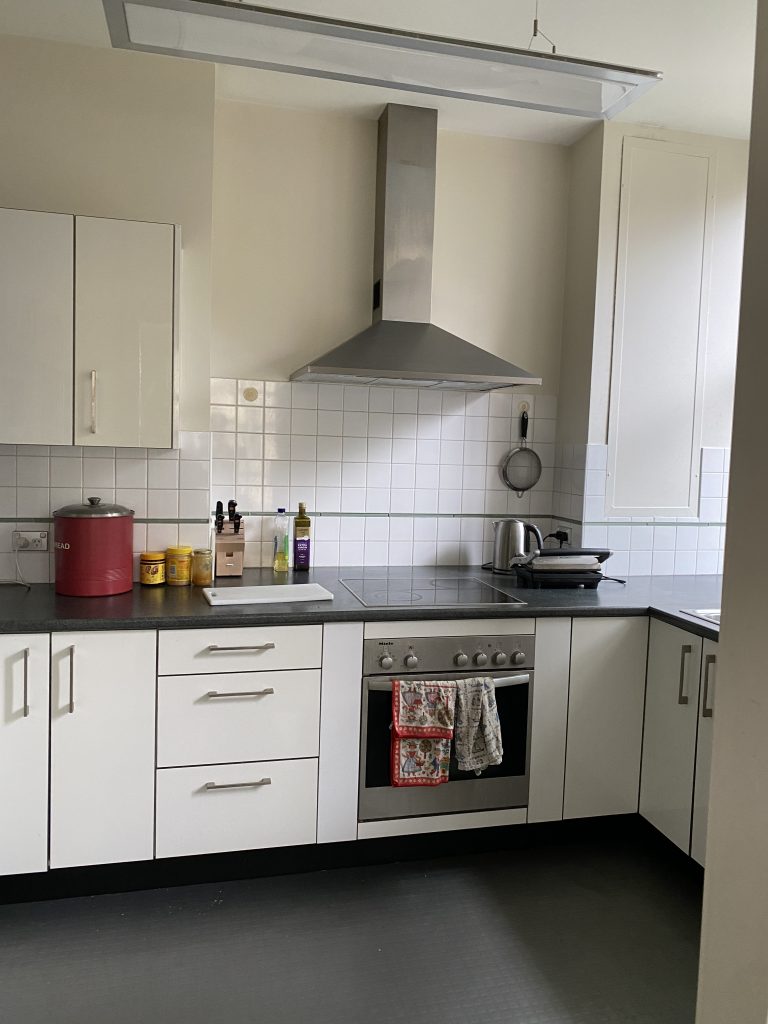
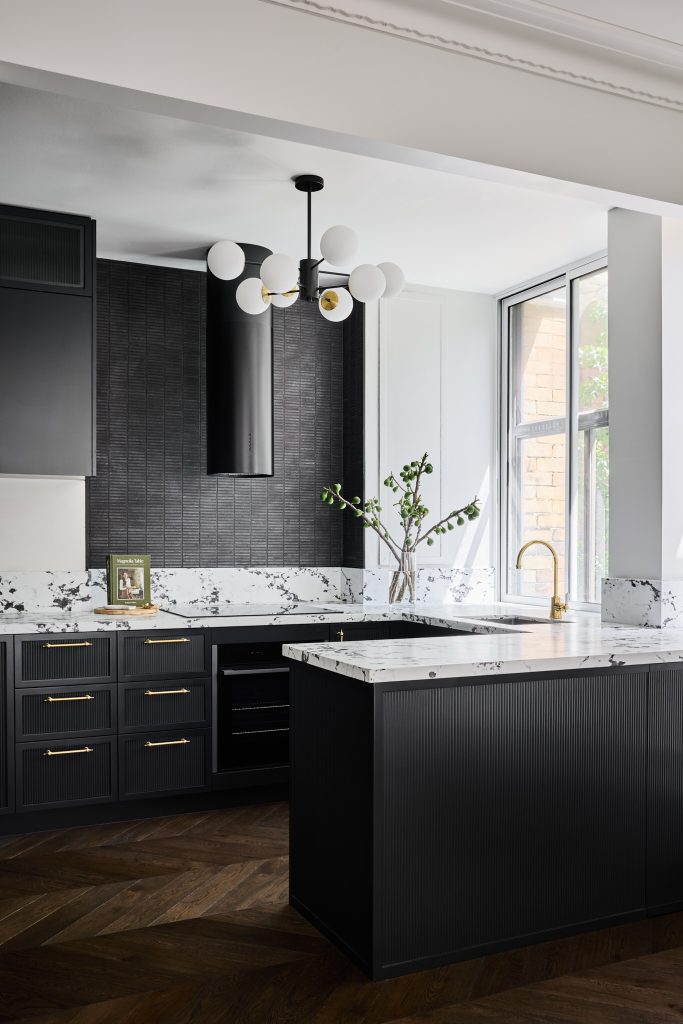
Project example: Laura Winder’s kitchen required removing a wall to open the room up significantly and allow her to have an open kitchen. The EB Studio team got to work to redesign the kitchen into a much more functional layout and also removed a small non load bearing wall to allow the kitchen to open up beautifully into the living and dining space.
Material selection is making your head spin
This is genuinely one of the most common pain points we hear from people who’ve tried to DIY their renovation decisions. You walk into a tile showroom and there are literally thousands of options. Designers work with materials every day. We know what lasts, what photographs beautifully but dates quickly, and which budget-friendly options genuinely hold their own against the pricier alternatives.
Designer Tip: Don’t choose tiles before you’ve settled on your benchtop. The benchtop is the hardest material to source and has the most limited options, so start there and build your palette outwards.
You’re coordinating trades and don’t know where to start
A renovation isn’t just a design challenge; it’s a project management exercise. There’s a sequence to how trades come in and go out: demolition, structural, rough plumbing and electrical, waterproofing, linings, cabinetry, tiling, fixing plumbing and electrical, painting, finishing. Each trade depends on the previous one. Part of what a designer does is hold the thread on all of this.
You have a budget and need it to work hard
There’s a misconception that hiring a designer is something you do when you have an unlimited budget. In reality, a good designer is most valuable when you have a defined budget and you need every dollar to count. We’re constantly making calls like: invest in the stone benchtop, save on the cabinet interiors. Spend on the tapware that’ll last 20 years, save on the accessories you can swap out.
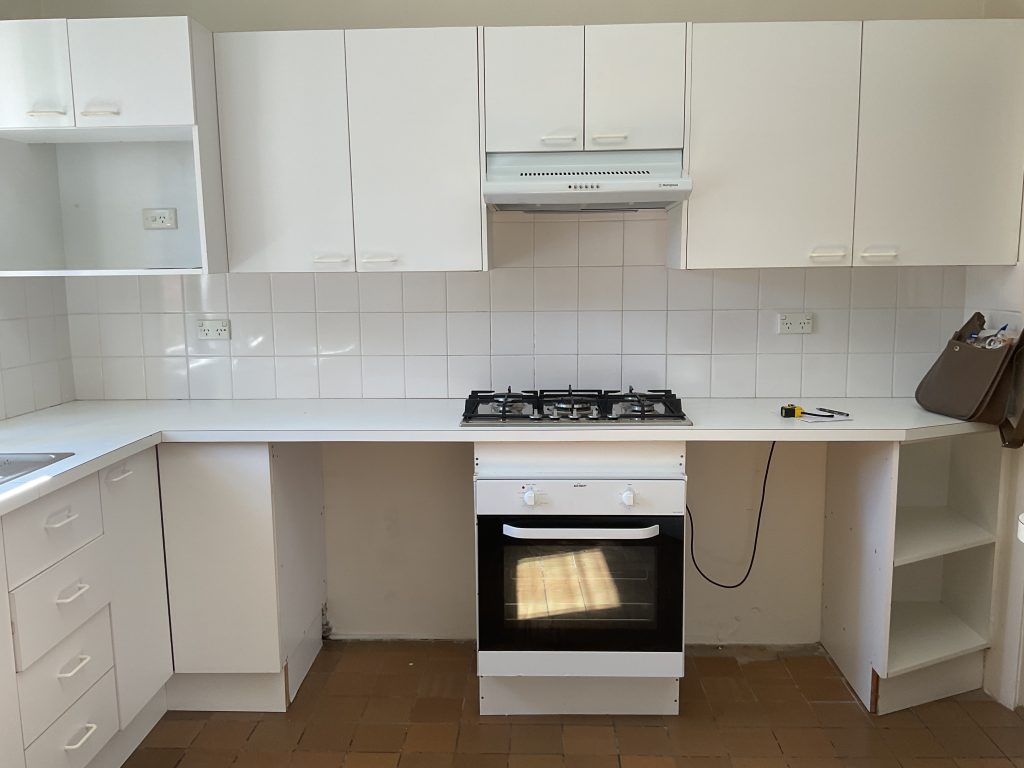
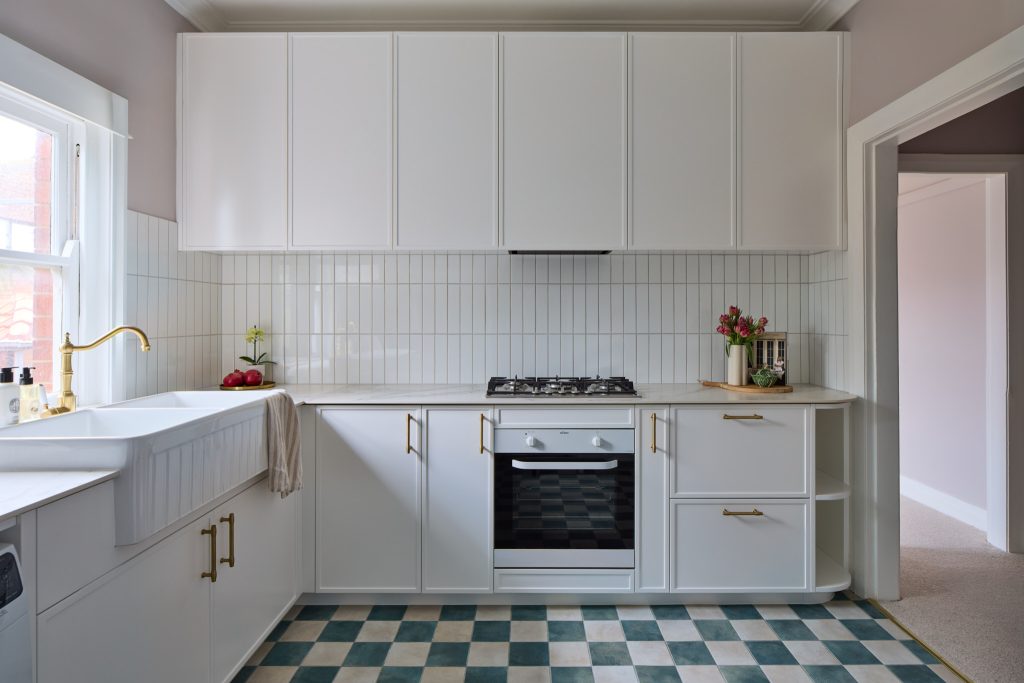
Project example: Chris Francis’ kitchen in Mosman was completed on a tight budget. By reusing existing appliances, saving approximately $8,000–$10,000, the budget was redirected into tiling and cabinetry where the investment is most visible.
It’s a significant investment and you only want to do it once
A kitchen renovation in Sydney can run anywhere from $40,000 for a modest update to well over $100,000 for a full high-end transformation. When you’re putting that kind of money into your home, the cost of getting it wrong is significant, and most renovation mistakes can’t be undone cheaply.
When You Might Not Need a Designer
We’d rather be straight with you than oversell. There are situations where you’ll be absolutely fine without us:
- Cosmetic refreshes: new paint, new light fittings, new soft furnishings. If nothing structural or built-in is changing, a decorator or even a confident DIYer can often handle this well.
- Small, single-trade projects: replacing a toilet or tapware set, painting a room, installing new carpet.
- Very tight timelines where design is already decided: if you’re replacing like-for-like and decisions are made, a builder or project manager can usually execute without design input.
The honest line is this: if you’re making structural changes, selecting finishes from scratch, or coordinating multiple trades, bring in a designer. If you’re replacing or refreshing without changing layouts or built-ins, you can probably manage.
When in the Process Should You Bring a Designer In?
Earlier than you think. Ideally, before you’ve spoken to a builder. When a designer is involved before the builder is engaged, the specification is clear, the selections are made, and the builder is quoting on exactly what will be built. That’s when you get accurate quotes, fewer surprises, and a smoother build.
Designer Tip: If a builder quotes you before any design work has been done, treat that number as a starting point, not a fixed cost. Material selections, layout changes, and finish upgrades all add up, and they often get decided during a build rather than before it.
What Does Hiring an Interior Designer for a Renovation Actually Cost?
Design fees vary depending on the scope of your project, the service model you choose, and the studio you work with. As a rough guide:
- Hourly rates typically are $450 per hour for an experienced Sydney-based designer
- Full-service design packages for a kitchen or bathroom renovation might range from $8,000 to $20,000 in design fees, depending on complexity
- Whole-home renovation design is usually structured as a percentage of construction costs or a fixed project fee agreed upfront
It’s also worth knowing that many designers have trade pricing on materials, furniture, and fixtures that can partially offset their fees. For a detailed breakdown, have a read of our interior decorator cost guide.
What to Look for When Choosing a Designer for Your Renovation
Do they have renovation experience specifically?
Styling and decorating is a different skill set to renovation design. Make sure the studio you choose has experience working with builders, specifying materials and fixtures, and managing renovation projects.
Do they offer full-service or partial service?
Some designers offer concept only. Others, like EB Studio, manage the whole process from concept to installation. If you want to be hands-off during the build, you’ll want a full-service studio.
Can they show you comparable projects?
Ask to see completed renovation work that’s similar in scale and style to what you’re planning. References from past clients are also valuable.
How do they handle budget conversations?
A good designer will have a frank conversation about budget early, and will tell you honestly if your wishlist doesn’t match your spend. If a designer never pushes back on budget, that’s actually a red flag.
A Few Renovation Projects We’ve Worked On
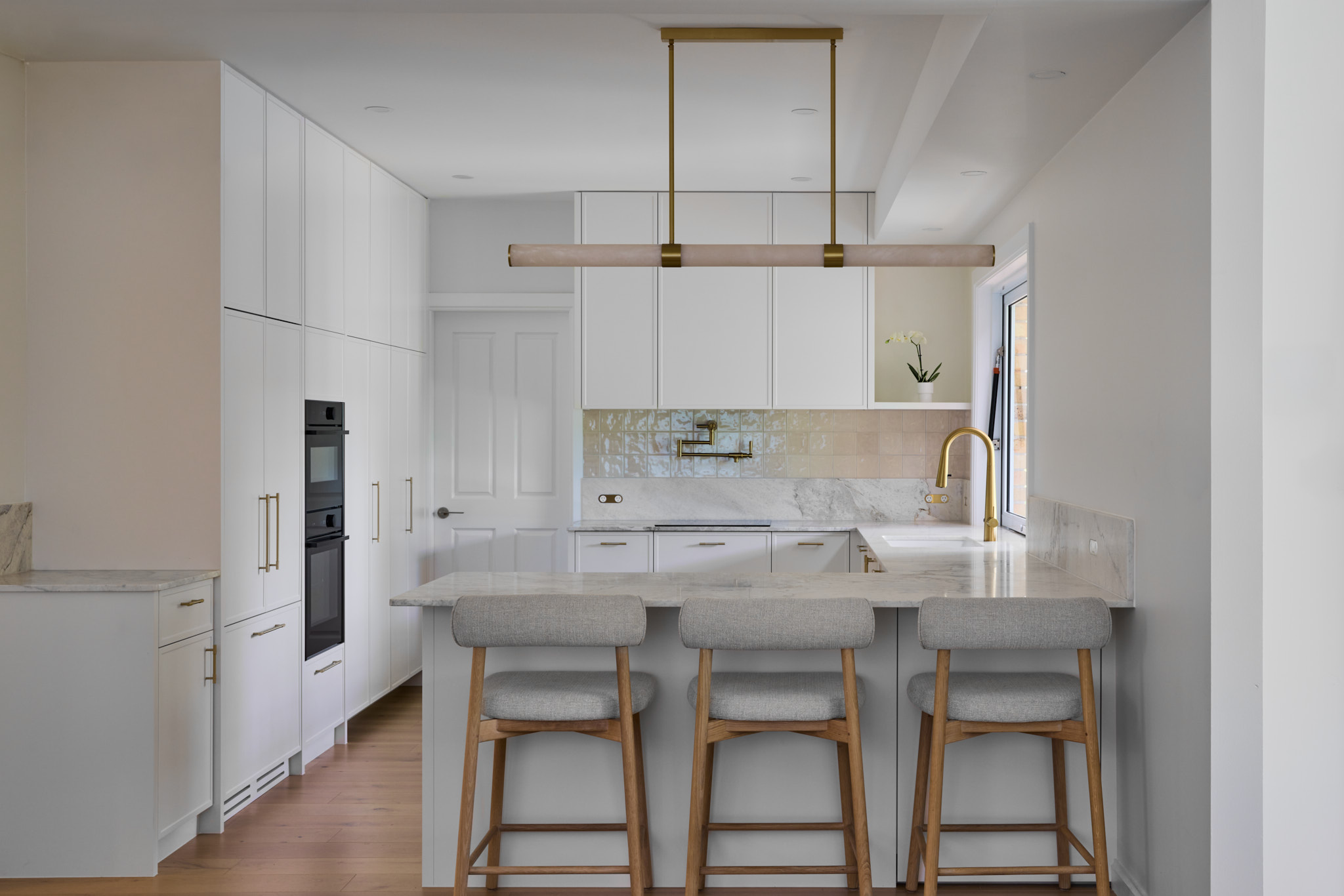
St Ives Project
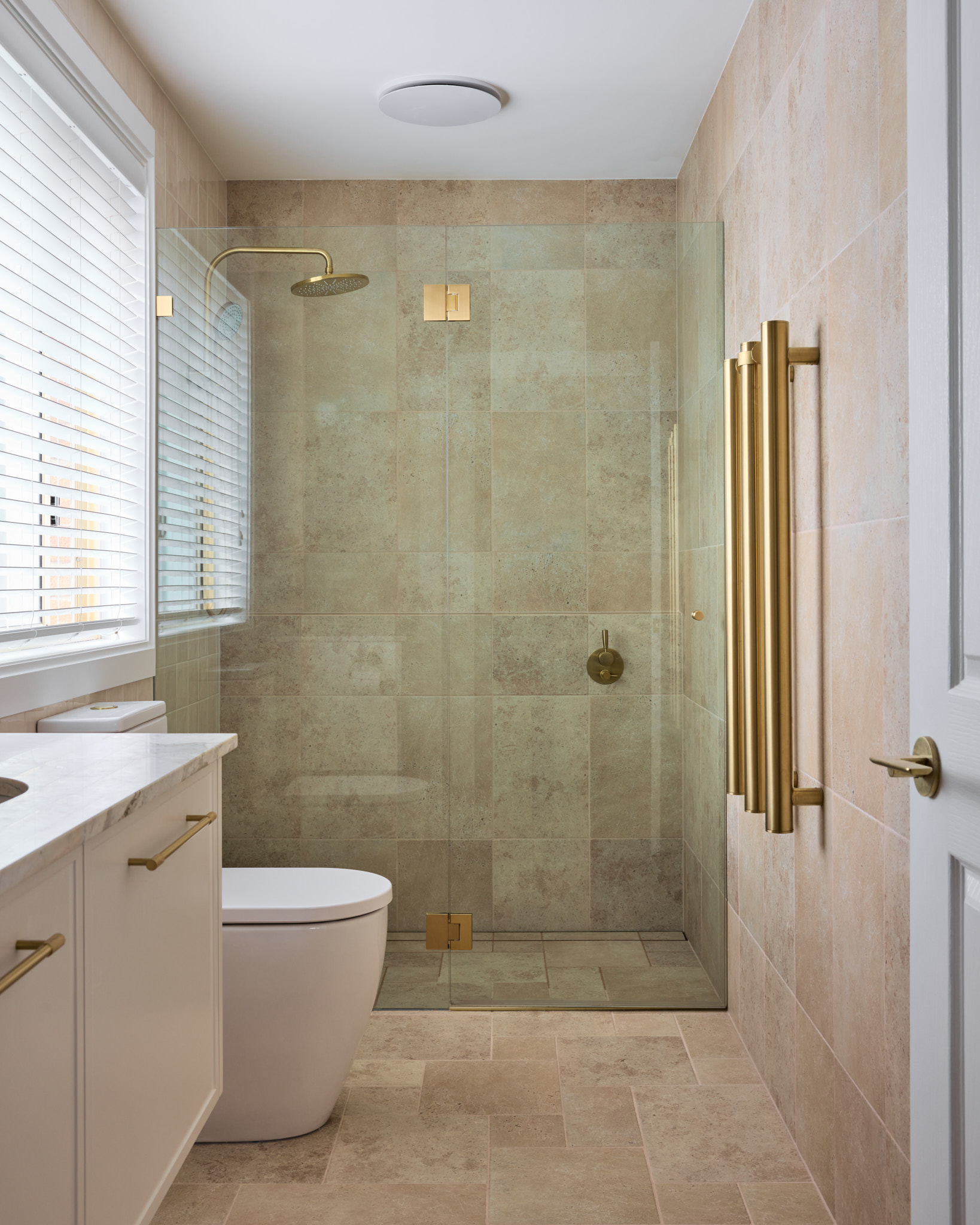
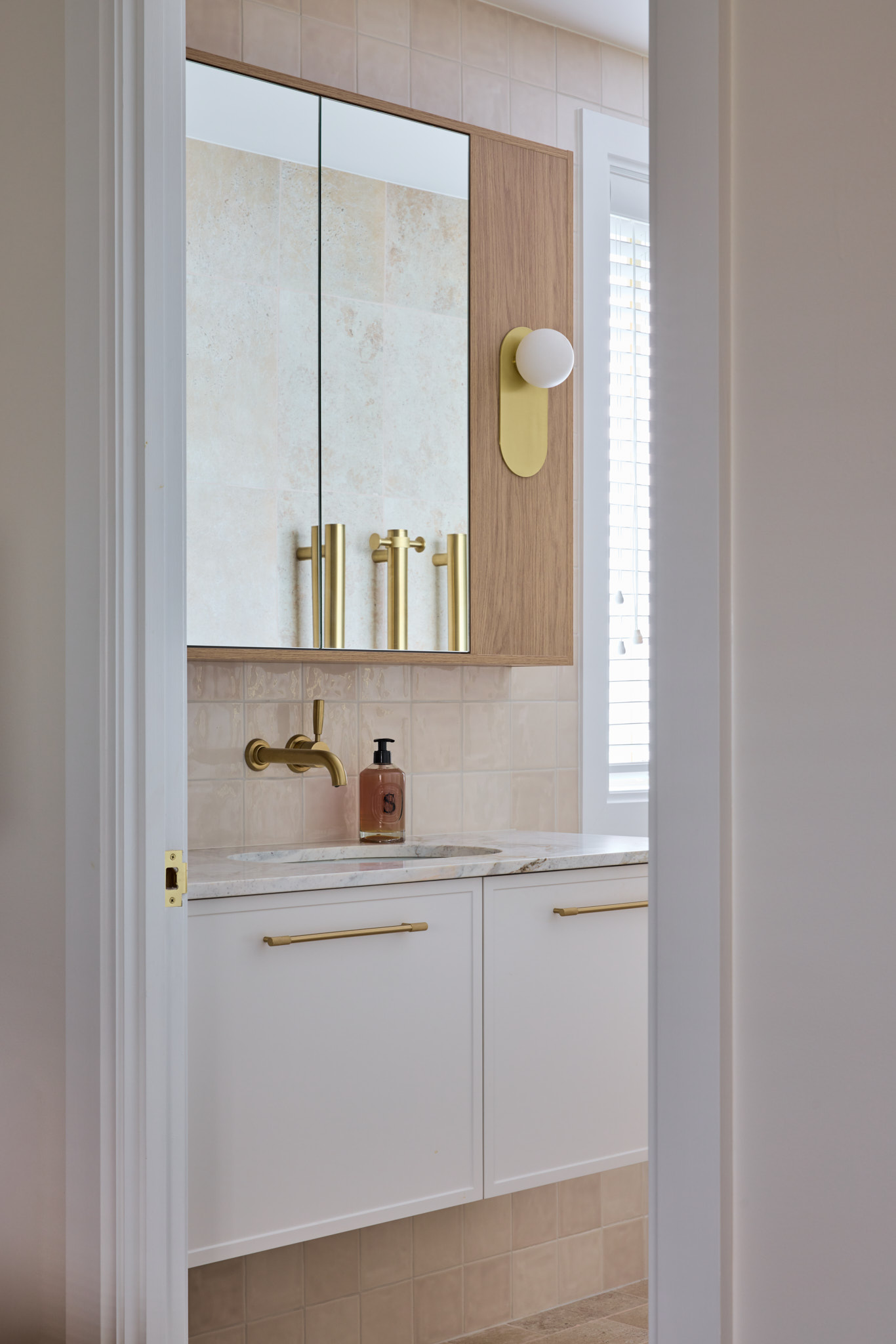
A recent renovation project where thoughtful design and considered material selections transformed the space completely. View the full St Ives Upgrade project.
Vaucluse Project
A stunning waterview home in Vaucluse where layout and finishes were approached with care for the home’s outlook and lifestyle. View the full Vaucluse Waterview project.


Ready to Talk About Your Renovation?
If you’ve got a renovation on the horizon and you’re wondering whether a designer is the right move, the best first step is a conversation. At EB Studio, we work with clients across Sydney on renovations of all shapes and sizes, from single-room updates to full-home transformations.